surgicalsol.com

Rectal Prolapse

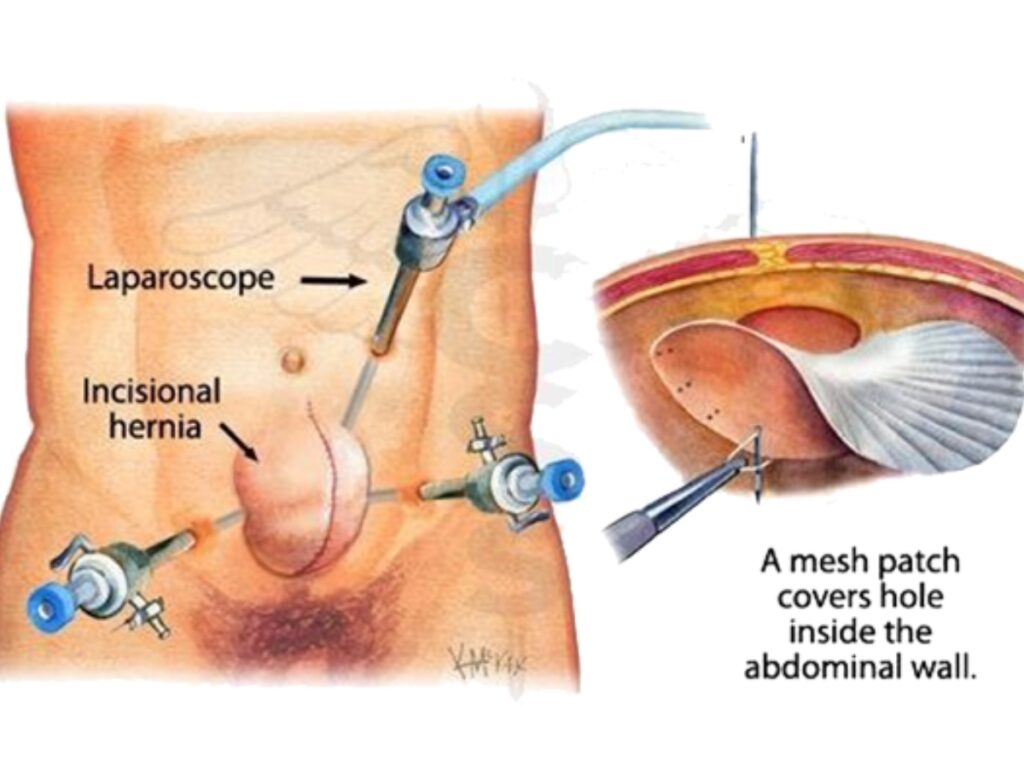
Rectal Prolapse – Comprehensive Surgical Care at SurgicalSol Rectal prolapse is a medical condition where the rectum, the final segment of the large intestine, loses its normal support structure and turns inside out, descending through the anal canal. This can lead to a noticeable protrusion, mucous discharge, fecal incontinence, and a feeling of incomplete evacuation, significantly impacting a patient's quality of life. At SurgicalSol, Dr. Asif Iqbal provides expert, comprehensive surgical management for rectal prolapse, offering tailored procedures to correct the anatomy and restore normal bowel function. Treatment for a full-thickness rectal prolapse is primarily surgical, with the specific approach carefully selected based on the patient's age, overall health, and the nature of their prolapse. Dr. Iqbal specializes in both abdominal and perineal surgical techniques. For appropriate candidates, a minimally invasive abdominal rectopexy is often the preferred procedure. This involves repositioning the prolapsed rectum back into its correct anatomical position and securing it to the sacrum, often using mesh for reinforcement. This can frequently be performed laparoscopically, resulting in less post-operative pain and a quicker recovery.

For patients for whom an abdominal approach is not advisable, Dr. Iqbal is highly skilled in perineal procedures such as the Altemeier perineal rectosigmoidectomy. This technique involves removing the protruding segment of the rectum through an incision made in the perineum, avoiding an abdominal operation altogether. The choice of procedure is determined after a thorough evaluation and detailed discussion of the benefits and potential risks of each option. At SurgicalSol, under the expert care of Dr. Asif Iqbal, patients receive compassionate and definitive treatment aimed at resolving symptoms and significantly enhancing their daily life and comfort.

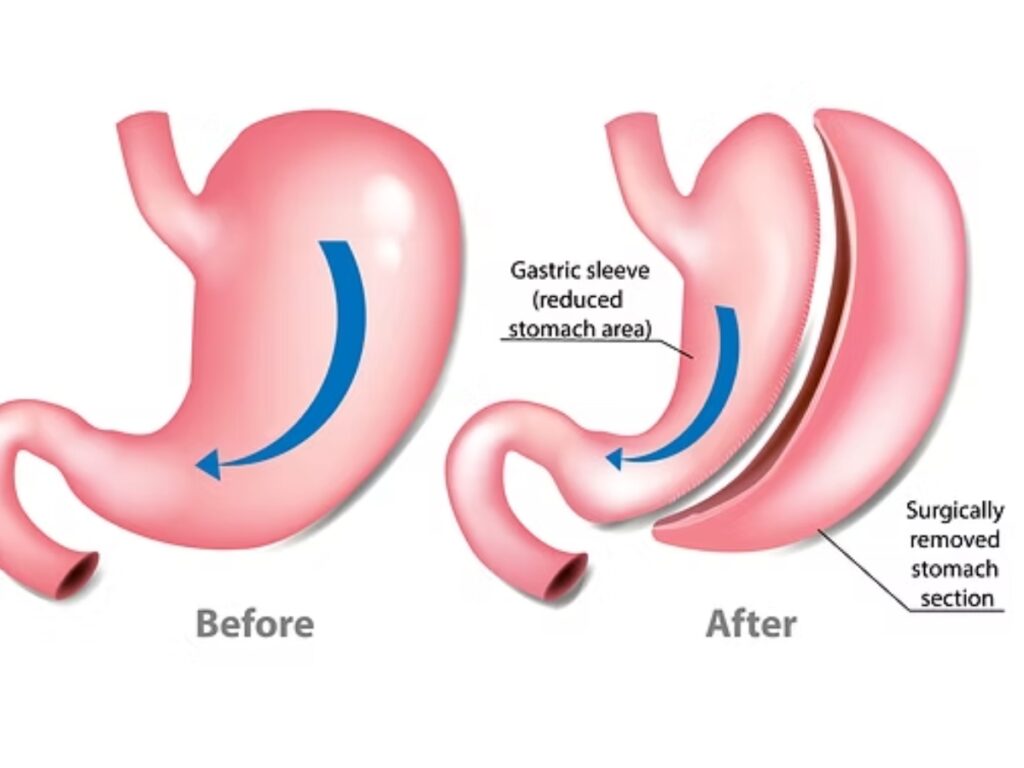
Gastric sleeve surgery benefits

Sleeve gastrectomy offers numerous benefits and helps reduce the risk of serious weight-related health issues that can be life threatening and improve the quality of life significantly. These include:

1

Sleeve gastrectomy can lead to significant and sustainable weight loss.

2

Improves mental health

3

Reduced joint pain

4

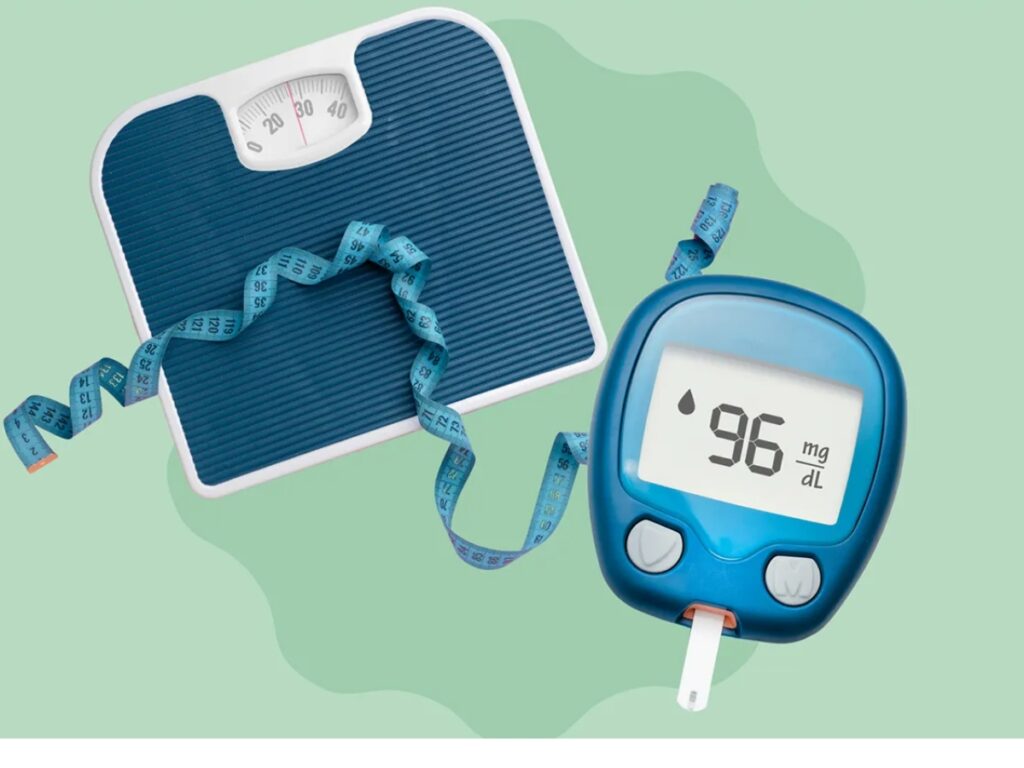
It helps control type 2-diabetes by 60%.

5

Reduced medication dependance on such as SADI or gastric bypass if the patient wants to lose more weight.

6

It is performed as a standalone procedure, and also it offers the opportunity to do any other weight loss procedure later on such as SADI or gastric bypass if the patient wants to lose more weight.

7

It does not increase the risk of kidney stones in patients who are at high risk of developing kidney stones.

8

Lowers the risk of high blood pressure, cancer, and heart diseases.

9

Reduced risk of obesity related diseases.

10

It is a very quick and short procedure, and has a short anesthesia time. It helps the patients who are at high risk for surgery and cannot tolerate high anesthesia time.

11

Patients with very high BMI (i.e. 60, 70), are at high risk for anesthesia complications. Sleeve gastrectomy shortens the amount of anesthesia time required and gives these patients the opportunity to lose weight and get out of the danger zone.

12

Improves obesity related infertility

13

Sleeve gastrectomy improves metabolic health and can result in improved insulin resistance, blood sugar control, and lipid profiles.

14

Sleeve gastrectomy is a simple and straightforward surgical procedure without the need for rerouting or reconnecting the intestines.

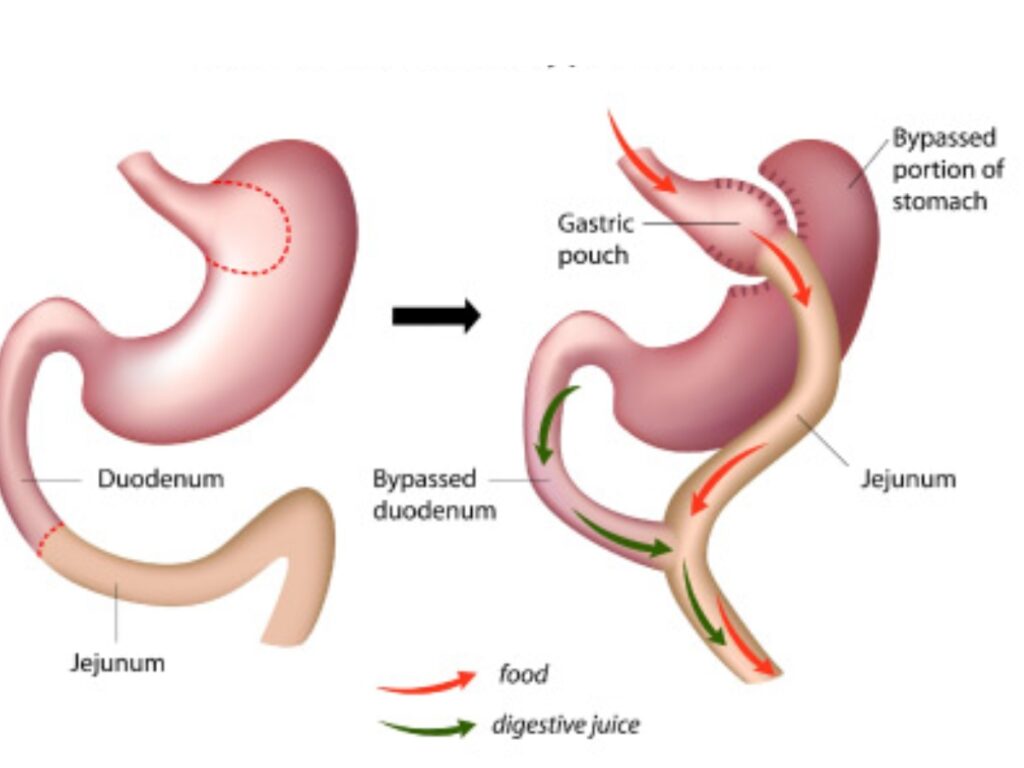
Benefits of Bypass Surgery

SADI bypass surgery is a revolutionary weight management technique. It is intended to help people with extreme obesity attain long-lasting benefits. Undoubtedly, it is a more advanced variant of the conventional duodenal switch. It is efficient in terms of its numerous benefits. Patients experience these improvements at different intensities. Yet, some prominent advantages include;

Significant weight loss
Improved Type 2 Diabetes control
Reduced risk of acid reflux compared to gastric bypass
Improved satiety and appetite control
Long-term maintenance of weight loss
Better resolution of obesity-related conditions