surgicalsol.com

Gastric Cancer

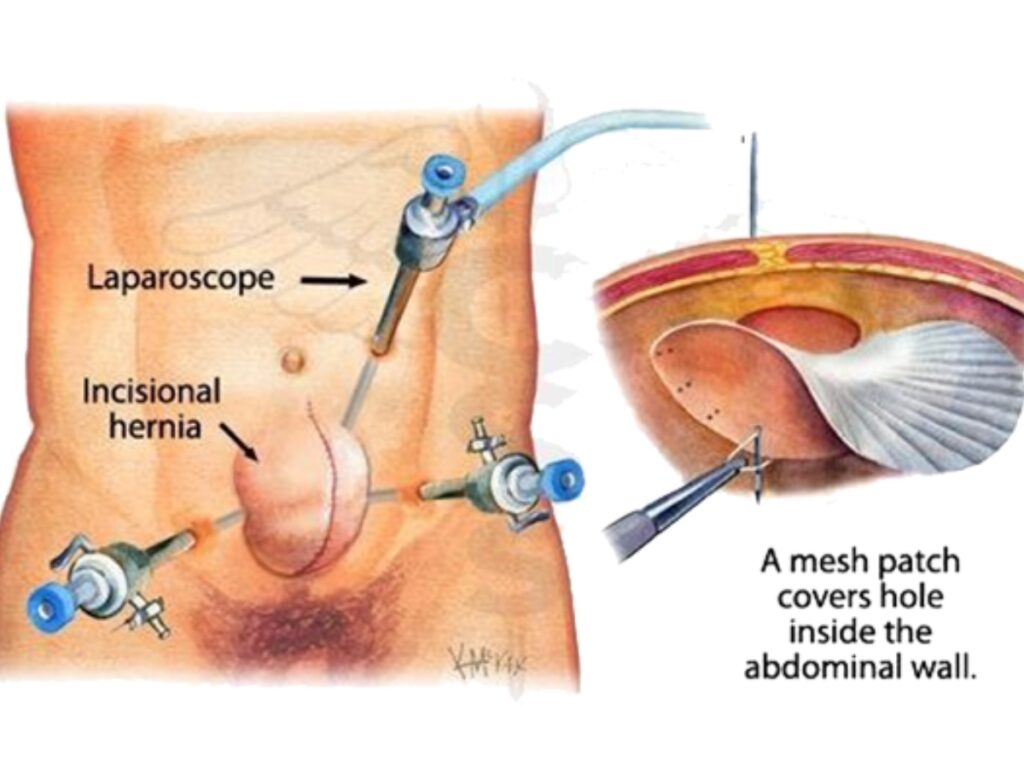
Gastric Cancer – Advanced Surgical Intervention and Multidisciplinary Care at SurgicalSol Gastric (stomach) cancer is a disease in which malignant cells form in the lining of the stomach. Early symptoms can be vague and may include indigestion, stomach discomfort, a feeling of bloating after eating, and mild nausea. As the cancer progresses, more pronounced symptoms like weight loss, heartburn, abdominal pain, and vomiting may occur. At SurgicalSol, Dr. Asif Iqbal provides expert, comprehensive surgical management for gastric cancer, working within a multidisciplinary team to offer a personalized and aggressive treatment plan aimed at achieving the best possible outcome. Surgery is often the primary treatment for resectable gastric cancer, with the goal of removing the cancerous tissue and a margin of healthy stomach. The specific procedure, known as a gastrectomy, depends on the cancer's size, type, and location. Dr. Iqbal is highly skilled in performing both partial gastrectomy, where only a portion of the stomach is removed, and total gastrectomy, where the entire stomach is removed. These complex procedures are often performed using minimally invasive laparoscopic or robotic-assisted techniques, which utilize small incisions for enhanced precision.

Following a gastrectomy, the digestive system is reconstructed to allow for normal eating and digestion. For many patients, surgery is integrated with chemotherapy and/or radiation therapy, either before (neoadjuvant) or after (adjuvant) the procedure, to maximize the effectiveness of treatment. Dr. Asif Iqbal collaborates closely with medical and radiation oncologists to coordinate this comprehensive care. At SurgicalSol, we are committed to guiding our patients through their cancer journey with expertise, compassion, and unwavering support, focusing on both successful treatment and maintaining the highest possible quality of life.

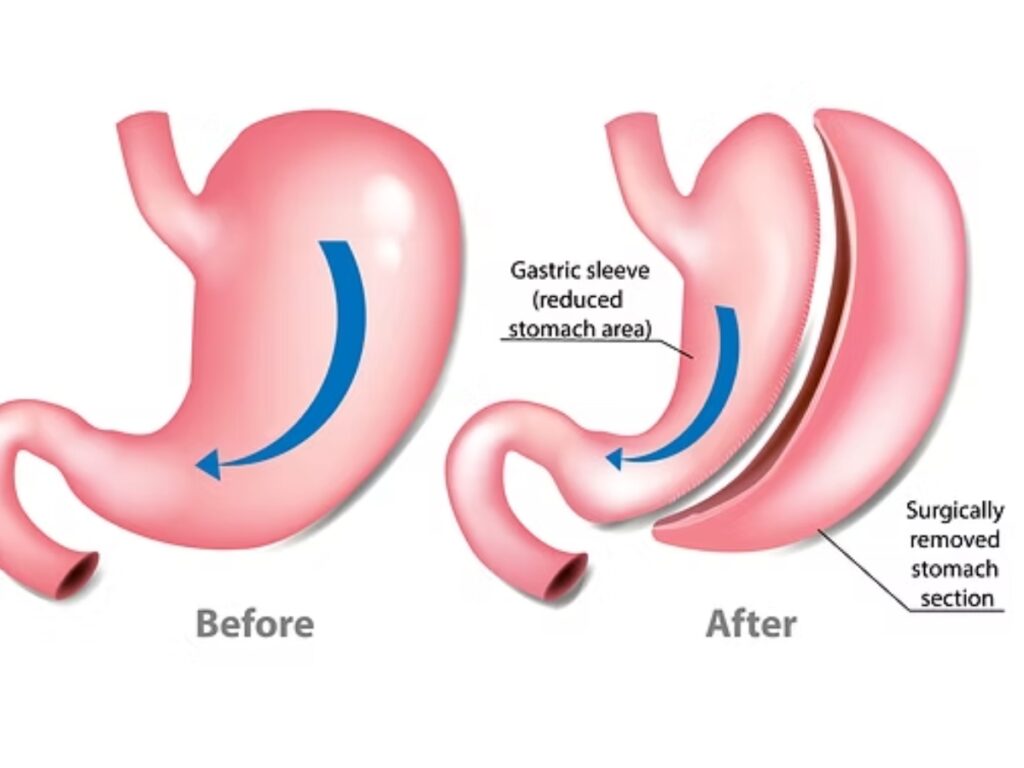
Gastric sleeve surgery benefits

Sleeve gastrectomy offers numerous benefits and helps reduce the risk of serious weight-related health issues that can be life threatening and improve the quality of life significantly. These include:

1

Sleeve gastrectomy can lead to significant and sustainable weight loss.

2

Improves mental health

3

Reduced joint pain

4

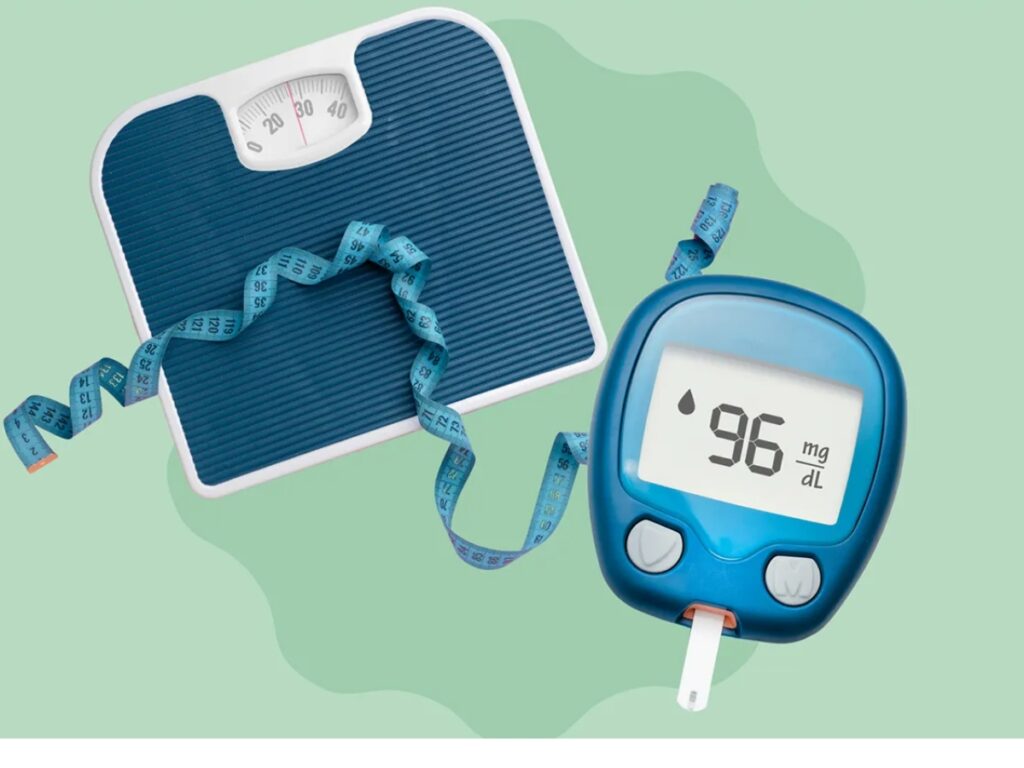
It helps control type 2-diabetes by 60%.

5

Reduced medication dependance on such as SADI or gastric bypass if the patient wants to lose more weight.

6

It is performed as a standalone procedure, and also it offers the opportunity to do any other weight loss procedure later on such as SADI or gastric bypass if the patient wants to lose more weight.

7

It does not increase the risk of kidney stones in patients who are at high risk of developing kidney stones.

8

Lowers the risk of high blood pressure, cancer, and heart diseases.

9

Reduced risk of obesity related diseases.

10

It is a very quick and short procedure, and has a short anesthesia time. It helps the patients who are at high risk for surgery and cannot tolerate high anesthesia time.

11

Patients with very high BMI (i.e. 60, 70), are at high risk for anesthesia complications. Sleeve gastrectomy shortens the amount of anesthesia time required and gives these patients the opportunity to lose weight and get out of the danger zone.

12

Improves obesity related infertility

13

Sleeve gastrectomy improves metabolic health and can result in improved insulin resistance, blood sugar control, and lipid profiles.

14

Sleeve gastrectomy is a simple and straightforward surgical procedure without the need for rerouting or reconnecting the intestines.

Benefits of Bypass Surgery

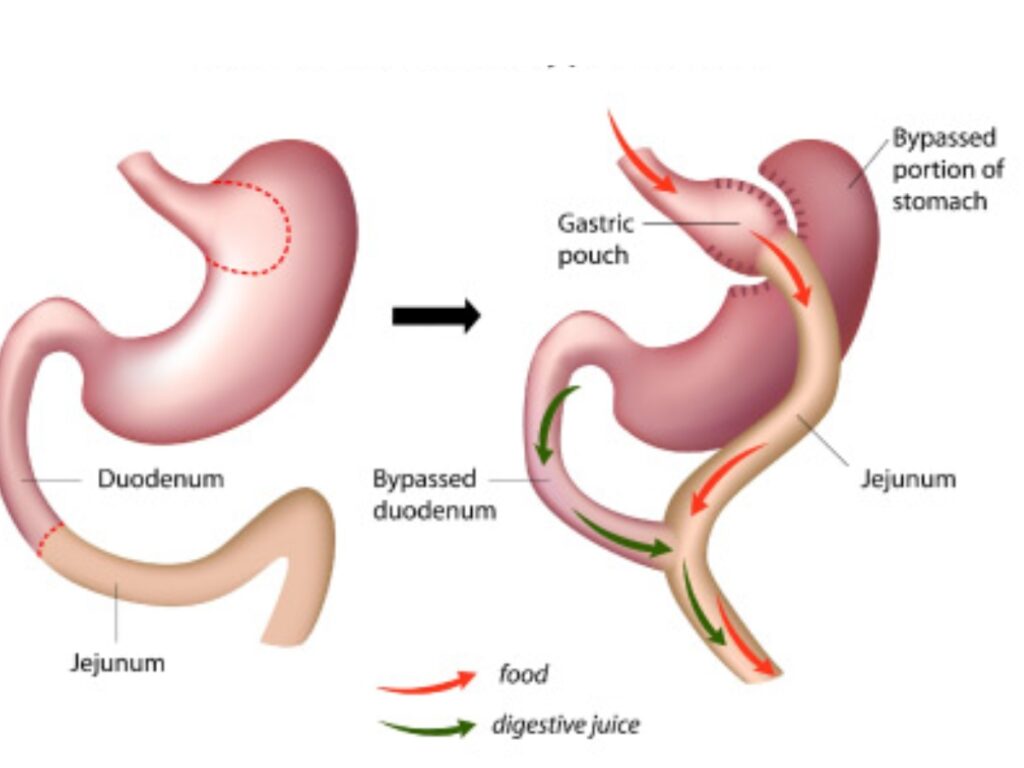
SADI bypass surgery is a revolutionary weight management technique. It is intended to help people with extreme obesity attain long-lasting benefits. Undoubtedly, it is a more advanced variant of the conventional duodenal switch. It is efficient in terms of its numerous benefits. Patients experience these improvements at different intensities. Yet, some prominent advantages include;

Significant weight loss
Improved Type 2 Diabetes control
Reduced risk of acid reflux compared to gastric bypass
Improved satiety and appetite control
Long-term maintenance of weight loss
Better resolution of obesity-related conditions